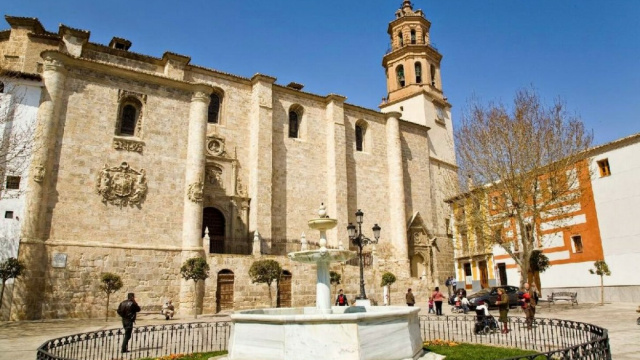
Main Church (16th-18th c.)
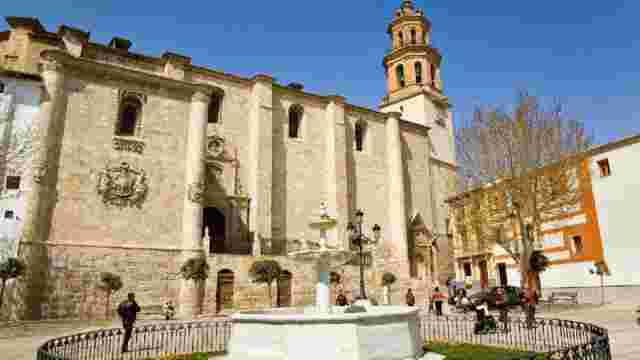
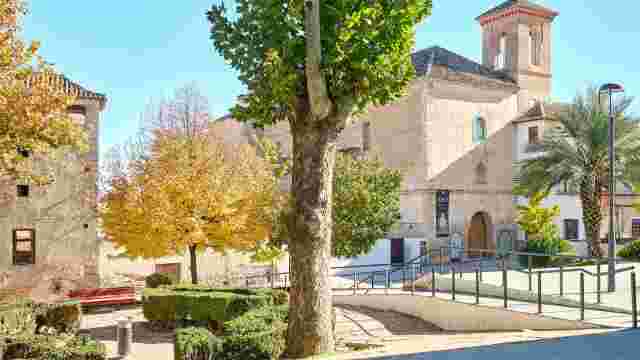
After the conquest by the Catholic Monarchs and its subsequent consecration as a Christian temple, it was not until 1529 that the first major works began. At that time, a Gothic-style building was designed. However, a devastating earthquake in 1531 destroyed much of what had been built, with only the chancel and its ogival chapels remaining.
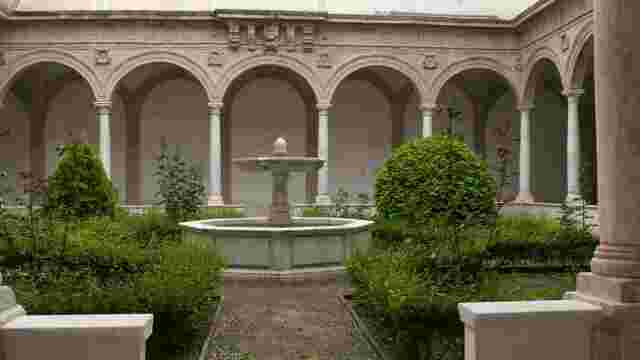
The reconstruction was entrusted to the prestigious architect Alonso de Covarrubias, who designed a new Renaissance-style temple with three naves, an ambulatory and elegant ribbed vaults. The interior features the large chapel of the Araoz family with a large transverse arch and a splendid example of Plateresque decoration, based on designs by Diego de Siloé and executed by Rodrigo de Gibaja. In 1625, the sacristy and chapter house were completed, attached to the chancel and crowned by a gallery of semicircular arches. Inside, valuable coffered ceilings are preserved, while the façade features a beautiful Renaissance-style grille.
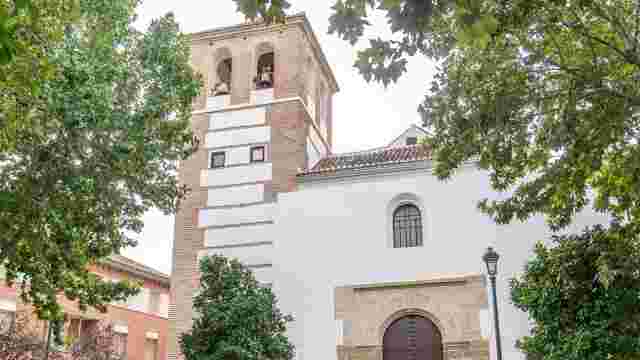
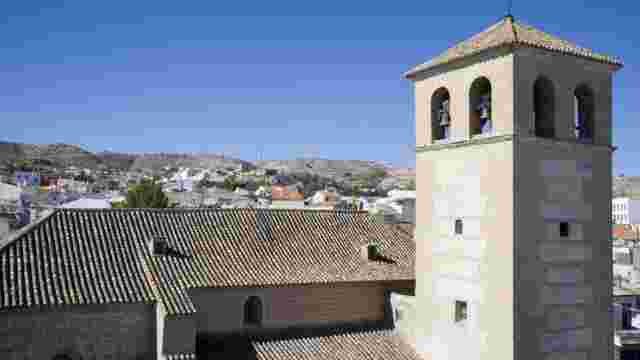
A new earthquake in 1755 forced further work on the building. As a result, in 1764 the tower was rebuilt, reinforcing its first three sections and adding two more with an octagonal floor plan, where the bells are now housed.
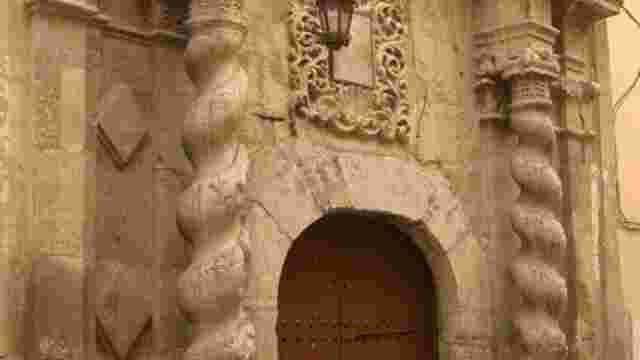
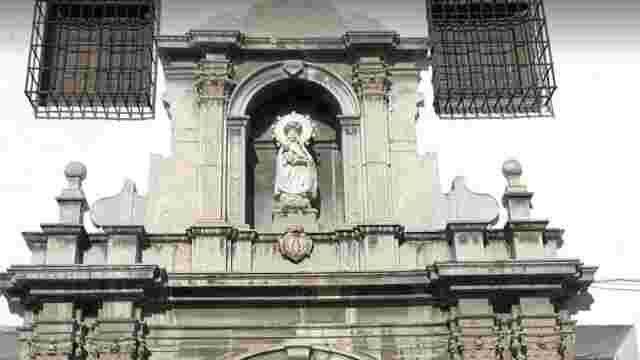
The church has three entrances: the main doorway, which is very beautiful and attributed to Diego de Siloé; a second door, in the style of a wayside shrine; and an austere structure at the foot of the building, next to the tower with a magnificent set of Murcian-style bells typical of the 18th century. Until the 19th century, this church held the rank of collegiate-co-cathedral, underlining its religious and heritage importance.